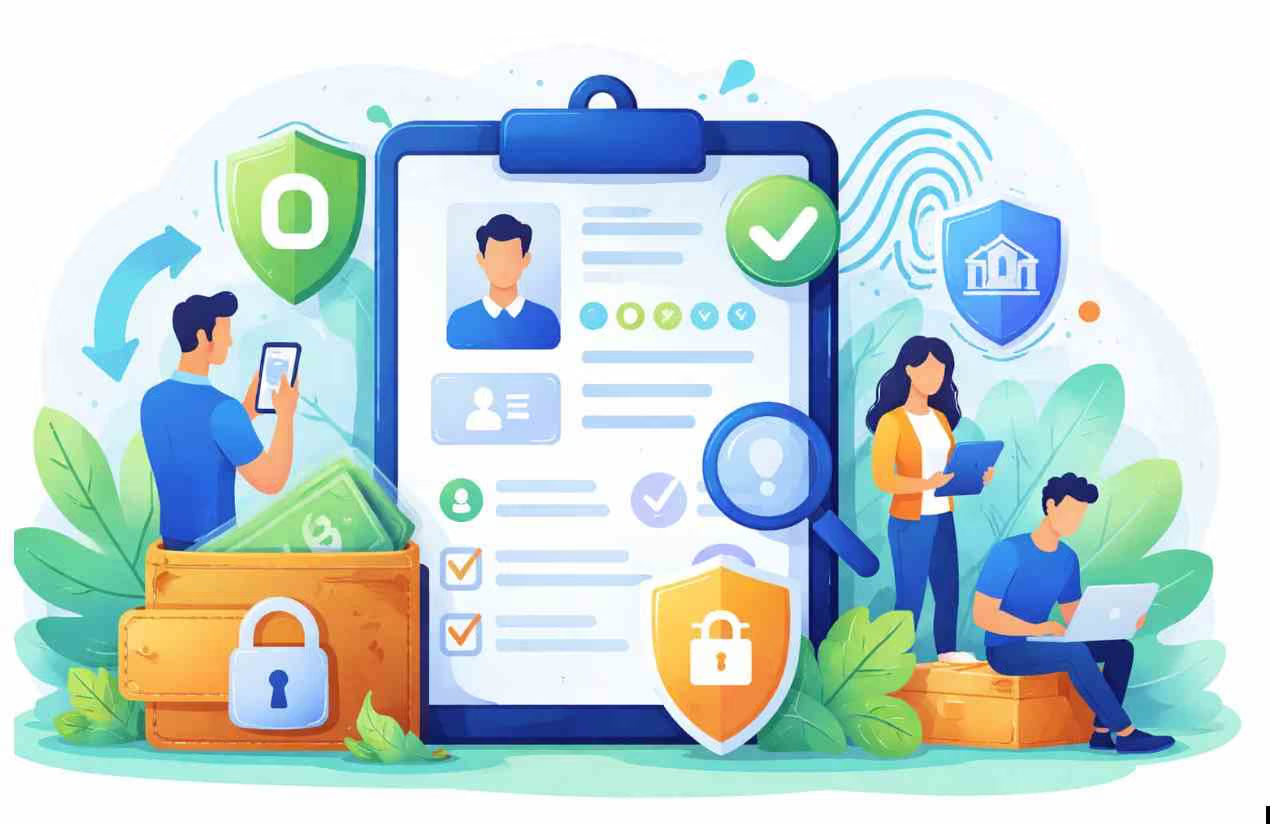
Why KYC Is Important For Users And Businesses Many people don’t know about KYC. KYC(Know Your Customer) is basically a way for businesses to check who you are. It’s a way to know companies using a service are real and trustworthy. This helps prevent fraud, scams and illegal activity. For you as a user, KYC keeps your money and information safer. For businesses, it helps them follow the law and run smoothly. What is KYC KYC simply means the platform wants to know who is using it. That’s all. When everything happens online, companies don’t meet their users in person. There’s no official visit. KYC fills the gap. It’s the digital version of confirming identity.
For individuals, this usually means sharing basic ID details. For businesses, it means proving that the company exists and is legally registered. You should see KYC as a trust check instead of formality.
Know about RBI KYC Guidelines .
KYC For Users Online fraud is real. Fake accounts are everywhere. Scams don’t look like scams anymore. We have to stay alert. When a platform verifies users, it reduces these risks. It becomes harder for someone to pretend to be you. It becomes harder to do scams.
There’s also a practical side most people notice later. Accounts without KYC usually come with limits. Payments get stuck. Features stay locked. Support takes longer. Once KYC is done, things just work better. Refunds are easier. Disputes are resolved faster. Account recovery is simpler. That’s one of the biggest reasons why KYC is important for users and businesses using digital financial tools regularly.
KYC For Businesses For businesses, KYC is a requirement. If your platform handles money in any form, you are expected to know your customers are. In India, the Reserve Bank of India has clear KYC guidelines for financial and fintech platforms. These rules exist to prevent money laundering and illegal activity.
But beyond rules and regulations, KYC protects the business itself. Fake users cause real damage. They create false transactions and trigger chargebacks. Over time, this affects reputation and growth. Verified users reduce these risks significantly. Trust is very important. When people see that a platform checks users properly, they feel safer using it. Feeling safe makes them use it more, and more usage helps the platform grow. This is why KYC matters for both users and businesses over time.
Know about the GST Registration Process for Businesses .
KYC Today Earlier, KYC meant paperwork and waiting. Today, it usually takes just a few minutes. Most platforms now follow digital KYC. You enter details, upload documents, verify through OTP, and you’re done. No delays.
Billing platforms like Swipe focus on keeping this process smooth. The idea is simple. Verification should not stop you from running your business.
Refer Payment gateway KYC verification on Swipe Billing App .
Different KYC Approaches TYPE PROCESS Document verification Basic ID or business proof is checked eKYC Aadhaar-based instant verification Video verification Live identity confirmation Business verification Company and tax details are verified
All of these exist for one reason. To make sure real people and real businesses are using the platform.
Know about Aadhaar based eKYC .
Why Billing Apps Take KYC Seriously Billing apps deal with sensitive information such as invoices, payments, customer data and tax details. If the system is misused, the damage spreads quickly. Strong KYC ensures that businesses issuing invoices are valid. It protects customers from fake billing and protects platforms from misuse.
Swipe does KYC not to make things slow, but to keep everything safe and organized. When everyone is verified, billing works better and there are fewer problems.
Is KYC Mandatory in India Yes. If a platform deals with payments or financial data, KYC is mandatory. The Reserve Bank of India requires platforms to verify users and businesses. This keeps the financial system transparent and secure. These rules apply across banks, wallets, payment gateways and billing platforms. This legal requirement is another clear reason why KYC is important for users and businesses operating in India.
What About Data Safety Sharing documents online can feel uncomfortable. That concern is valid. Good platforms take this seriously. Your documents are kept safe, protected and only used when needed. The platform doesn’t share or misuse your information.
Before doing KYC, check that the platform explains how your information will be used. It’s important that they are clear and honest about it.
Documents Commonly Used for KYC INDIVIDUALS BUSINESSES PAN Card GST Registration Aadhaar Card Business PAN Passport Company Incorporation Voter ID Bank Account Proof Driving License Articles of Association(AOA)
KYC and HSN Code Clarification KYC does not come under any HSN code. It is not a product or a billable service. It is a compliance process required by law.
Why KYC Sometimes Gets Rejected Most rejections are simple. Blurry photos, name mismatches, expired documents and incorrect details. These issues don’t mean something is wrong. They just need correction. Taking a minute to double check details saves a lot of time later.
Conclusion KYC is used to keep online money and services safe. For users, it keeps your money and personal information safe. For businesses, it helps them follow the law and stay safe from scams. For platforms, it helps run smoothly and stable over time. If you’re using a billing platform like the Swipe Billing App, KYC is simply part of building a safer and more reliable way to do business.
FAQs 1. Why do apps ask for KYC again? Sometimes they just need to check that your account is still yours. Rules also change, so they have to update things. It’s mainly used to stop fraud.
2. Do small businesses really need KYC? Yes, even small businesses need it. It shows the business is real and keeps things safe. Without it, some app features don’t work.
3. Can someone misuse my KYC details? If you’re using a trusted app, your info is safe. They keep it encrypted and private. Only the platform uses it to verify you.
4. What if I don’t do KYC? You might not get full access. Some payments or features won’t work. Sometimes, the account can even get paused.
5. How long does KYC take to approve? Most times, it’s done in minutes. But if documents are unclear, it can take longer. Fixing mistakes usually gets it done quickly.