Why Customers Don’t Pay Invoices on Time Multiple follow-ups fail when they repeat the same message without diagnosing the underlying payment roadblock. Invoice errors, unclear terms, admin breakdowns, and cash flow issues each require a different remedy—not just more frequent reminders.
Key Takeaways Customers ignore follow-ups because reminders don't address the real obstacle preventing payment—invoice errors, unclear terms, approval delays, or cash flow constraints Invoice inaccuracies and vague payment terms are leading causes of delays that can be fixed before sending follow-ups Invoices often get stuck in multi-level approval workflows or disappear in crowded email threads on the customer's side Automated follow-ups should use a 3-stage diagnostic escalation rather than checkbox reminders at fixed intervals Multi-channel delivery via WhatsApp, Email, and SMS bypasses email overload and confirms receipt in real-time Why Follow-Ups Fail: Common Invoice Payment Roadblocks Customers ignore follow-ups not because they haven't seen them, but because the reminders don't address the real obstacle preventing payment. Over half (51%) of suppliers report their buyers pay late, yet most AR teams respond by increasing reminder frequency rather than diagnosing why the invoice remains unpaid. This creates noise instead of resolution: a fourth reminder repeating the same information as the first three won't overcome a disputed line item, a missing purchase order reference, or a cash flow constraint the customer hasn't disclosed.
The Follow-Up Frequency Trap Sending more reminders without first understanding the payment roadblock wastes both parties' time. Modern AR tools—including platforms like Swipe —can track which invoices are overdue and automate reminder sequences, but automation alone doesn't solve the underlying issue. A reminder that says "Payment due" is operationally identical whether it's the second or the seventh; the customer who hasn't paid after three reminders is blocked by something the reminder doesn't address.
Four Root Causes Behind Late Payments Effective follow-ups diagnose which of four roadblocks is active before escalating:
Invoice accuracy issues , disputed amounts, missing documentation, or incorrect billing details that prevent approval.Payment terms clarity gaps , ambiguous due dates, net terms the customer didn't acknowledge, or payment method confusion.Customer-side administrative breakdowns , lost invoices, approver turnover, or internal processing backlogs.Cash flow constraints , the customer has the invoice but lacks liquidity to pay on the original schedule.Each cause requires a different intervention; the next four sections unpack how to identify and resolve each roadblock.
When reminders don't work, the first place to look is your own invoice, before you escalate to the customer.
Step 1: Audit Your Invoice Accuracy and Clarity Common Invoice Accuracy Errors Invoice inaccuracies are a leading cause of payment delays. Accounts receivable teams report that invoice discrepancies, clerical errors, incorrect pricing, or mismatched line items, block approval workflows long before customers even see follow-up reminders. The most frequent errors include:
Missing or incorrect purchase order numbers , customers can't match invoices to approved POs.Line-item mismatches , quantities, descriptions, or unit prices don't align with contracts or delivery receipts.Tax calculation errors , manual GST/IGST splits introduce mistakes when jurisdiction rules change.Incorrect billing addresses or contact details , invoices land in the wrong department or bounce.Tools like EzyVyapar and Swipe automate GST-compliant invoicing to reduce these manual entry risks. Swipe AI captures vendor details, invoice number, dates, line items, GST, and totals automatically, cutting the clerical errors that trigger approval delays.
How to Audit Your Invoices Before Sending Follow-Ups Before you escalate payment reminders, verify that your invoices are approval-ready. Use this audit checklist:
Cross-check the PO number , confirm it matches the customer's approved purchase order.Validate line items against contracts , ensure quantities, descriptions, and unit prices match what was agreed.Recalculate tax values , verify GST/SGST/IGST splits align with the customer's billing jurisdiction.Confirm recipient details , validate billing address, department, and contact email.Review payment terms , ensure the due date, early-payment discounts, and penalties are stated clearly.Many businesses waste follow-up effort on invoices that customers legally cannot pay due to internal errors. Auditing your own accuracy first closes the gap between what you sent and what approval systems accept.
After verifying invoice accuracy, confirm that your payment terms are clear enough to act on.
Step 2: Review Payment Terms and Customer Agreements Ambiguous Payment Terms as a Delay Driver Before you send another reminder, review what your invoice actually tells the customer about *when* and *how* to pay. Vague language, "net 30," "upon receipt," "standard terms apply", leaves room for interpretation. When payment terms lack calendar anchors or method instructions, customers may genuinely not know their obligations. The result: invoices sit in email folders while both parties assume the other is at fault.
This ambiguity has a measurable cost. Average days sales outstanding (DSO) now stands at 59 days, nearly two months between invoice and payment. Unclear terms extend that window further, turning a preventable communication gap into a cash-flow crisis.
What Belongs in Every Invoice Payment Section Don't assume customers "should just know" your payment practices. Eliminate guesswork by including these elements on every invoice:
Exact due date , "Payment due March 15, 2026" instead of "net 30."Accepted payment methods , bank transfer details, card payment link, check mailing address.Late fee policy , percentage or flat fee, grace period if any.Point of contact , name, email, phone number for payment questions.Explicit terms shift the burden of proof. If a customer claims confusion after receiving an invoice with all four elements, the roadblock lies elsewhere, and your follow-ups can focus on the real issue instead of re-explaining basics.
If your invoice is accurate and your terms are clear, the roadblock likely lives on the customer's side.
Step 3: Identify Customer Cash Flow or Administrative Issues When follow-ups don't move the needle, the problem often lives on the customer's side, not in your relationship or your messaging. Two structural roadblocks cause most chronic delays: administrative breakdowns (approval queues, lost invoices) and cash flow constraints . Distinguishing between them matters, because each requires a different remedy.
Administrative Breakdowns: Approval Queues and Lost Invoices Invoices get stuck in multi-level approval workflows or disappear in crowded email threads. A finance department may need sign-off from three managers before releasing payment; if one manager is out, the invoice stalls. Email-based invoices land in spam, sit unread in shared inboxes, or get filed away before anyone clicks approve. The customer isn't refusing to pay, they simply haven't seen the bill or can't process it yet.
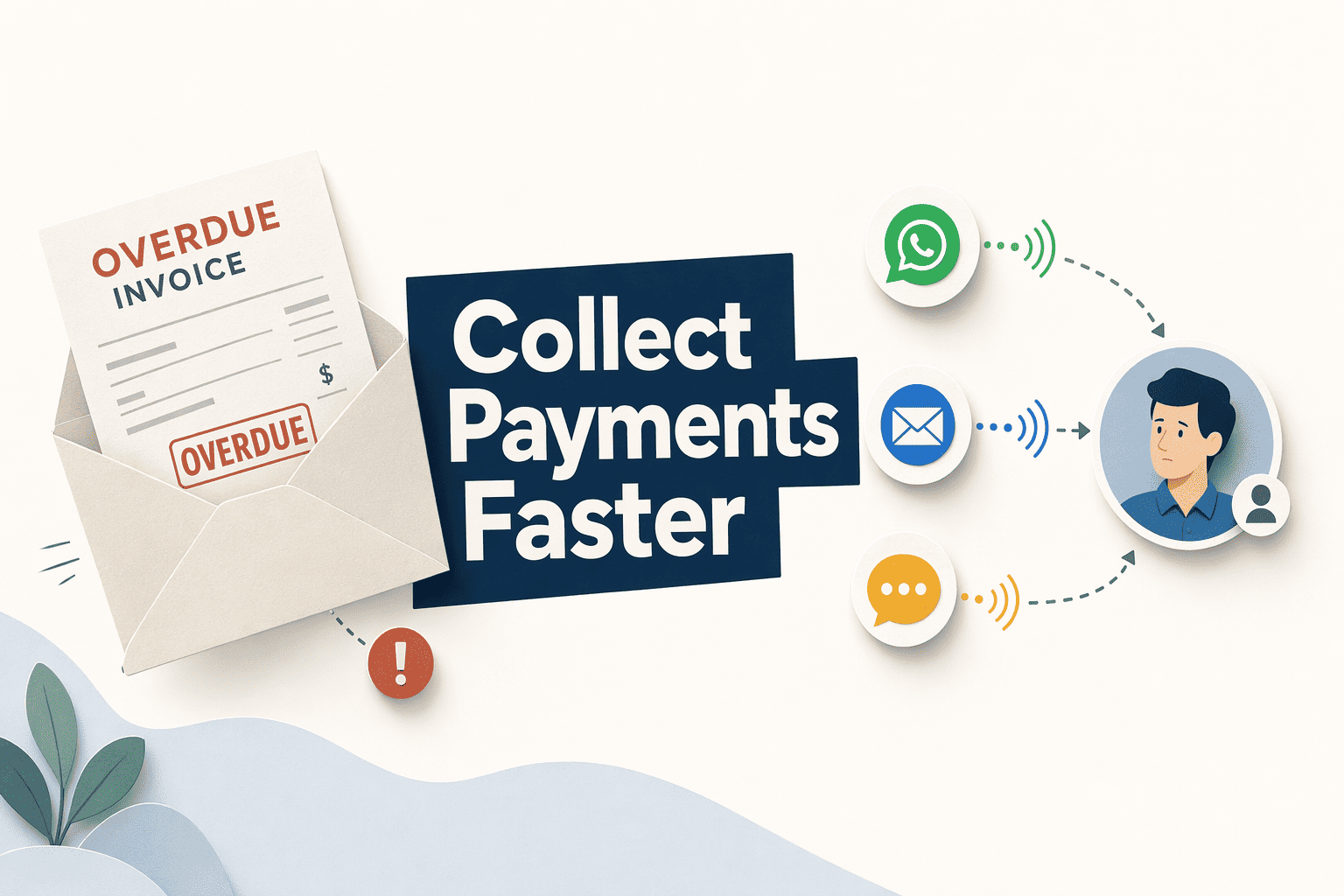
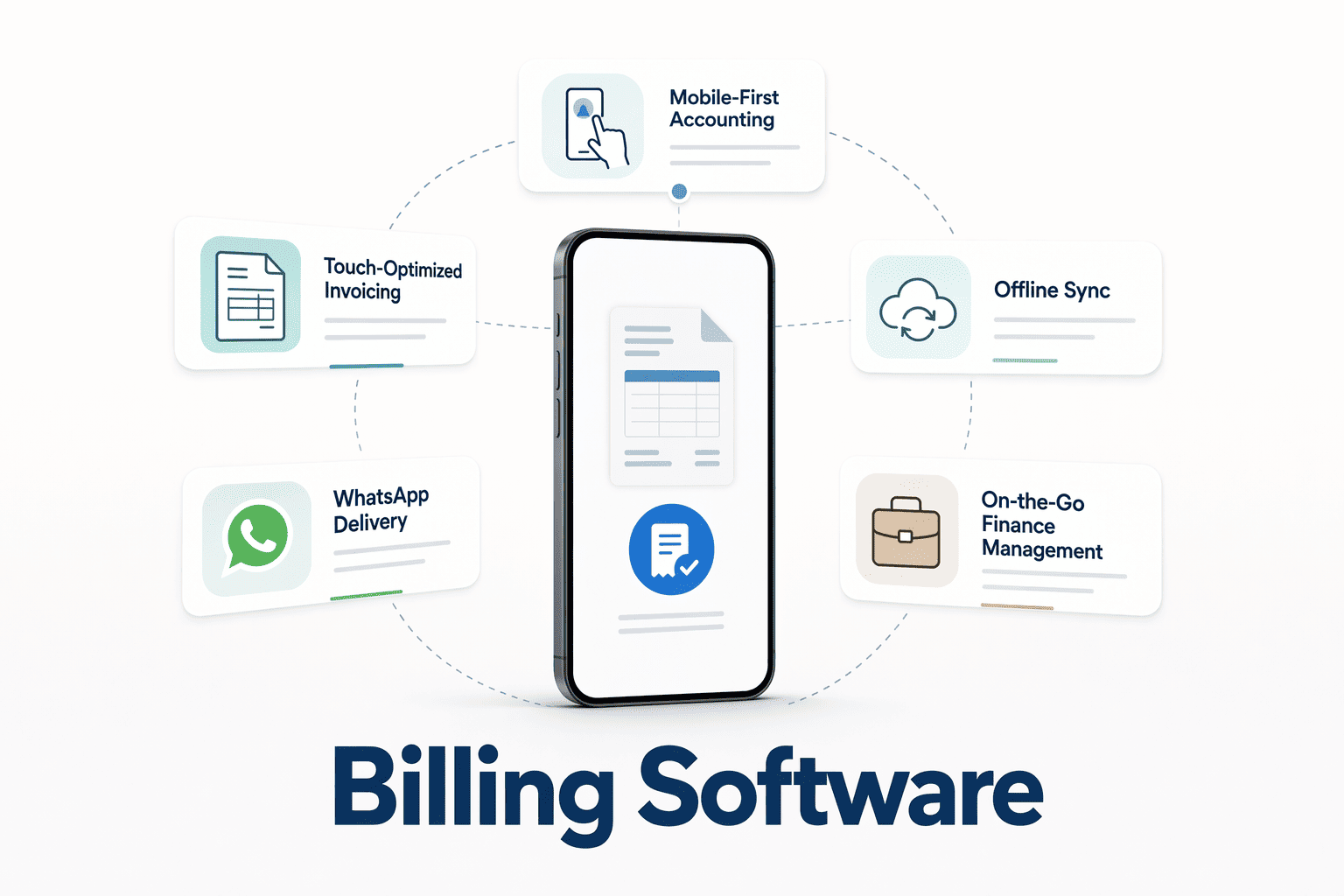
Confirm receipt before escalating. Ask the customer to acknowledge they've received the invoice and understand its status. If they can't find it, resend via a different channel. Tools that send invoices via WhatsApp bypass email approval queues entirely: the invoice lands in a one-to-one chat thread, the customer sees it immediately, and you know when they've opened it. BillSoft and similar platforms integrate WhatsApp delivery with e-invoice generation, so receipt confirmation happens in real time. Swipe can send payment reminders via WhatsApp, Email, and SMS, giving you multiple delivery paths when one channel fails.
Cash Flow Constraints on the Customer Side Cash shortages delay payments even when the customer intends to pay. A small business may have the revenue in pipeline but not the liquidity today; a retailer may be waiting on their own receivables to clear before they can settle yours. Research shows that cash flow constraints are a structural cause of late payments, not a sign of unwillingness or poor relationship. Nearly half of all B2B invoices are not paid on time, and many of those delays trace back to the customer's own cash timing.
Offer payment plans when cash flow is the diagnosed roadblock. Break the invoice into installments aligned with the customer's cash cycle, weekly, bi-weekly, or tied to their own receivables schedule. Payment plans keep the relationship intact, reduce the risk of non-payment, and turn a chronic late payer into a reliable one. Document the plan in writing, automate reminders for each installment, and track adherence. Swipe's reminder channels help you manage multi-part payment schedules without manual follow-up fatigue.
Once you've diagnosed the roadblock, adjust your follow-up timing and messaging to match the issue.
Step 4: Optimize Your Follow-Up Process and Timing Why Generic Follow-Up Sequences Fail Automated "Day 7, Day 14, Day 21" reminders treat follow-ups as a checkbox exercise. They send the same boilerplate message regardless of whether your customer is waiting on internal approval, disputing a line item, or simply forgot. The result? You escalate to a collections tone before you've diagnosed the actual roadblock. Generic sequences also assume the customer saw your email, but when inboxes overflow, reminders vanish into spam folders or promotional tabs. A WhatsApp-based follow-up bypasses this noise, confirming receipt and signaling urgency without formality.
Best Practices for Follow-Up Timing and Escalation Replace checkbox reminders with a 3-stage diagnostic escalation:
Friendly reminder (Day 1 overdue) : "Hi [Name], just checking in, invoice #[X] was due yesterday. Let me know if you need a copy or have any questions." Keeps the tone collaborative and assumes goodwill.Diagnostic inquiry (Day 7) : "I wanted to follow up on invoice #[X]. Is there a specific approval step holding this up, or is there a detail we need to clarify?" This uncovers which of the four roadblocks from Steps 1-3 is active, invoice clarity, approval bottlenecks, or payment method friction.Relationship escalation (Day 14) : "I'd like to resolve this together. Would a payment plan or partial installment help? Happy to discuss options." Signals seriousness while preserving the relationship.Swipe automates this framework: its smart reminders trigger at each stage, and multi-channel delivery via WhatsApp, Email, and SMS ensures your message lands. For businesses comparing GoGstBill alternatives , Swipe's approach treats follow-ups as relationship management, not collections enforcement. Sign up for free to implement diagnostic follow-ups that identify roadblocks before they calcify into disputes.
Diagnosing the roadblock is only half the solution, tracking payment status and automating reminders completes the framework.
How Swipe Simplifies Payment Tracking and Reminders Once you've diagnosed *why* customers aren't paying, whether it's inaccurate invoices (Step 1), unclear terms (Step 2), broken admin processes (Step 3), or insufficient follow-up (Step 4), Swipe gives you the tools to execute the fixes.
Real-Time Invoice Payment Status Tracking Swipe tracks which invoices are sent, viewed, and paid, providing visibility into where delays occur. This real-time status dashboard helps you spot patterns, customers who consistently ignore invoices, or invoices that sit in "sent" status for weeks, and prioritize follow-up.
Automated Multi-Channel Payment Reminders Swipe sends payment reminders via WhatsApp, Email, and SMS, matching the 3-stage escalation framework from Step 4. Schedule a polite email at 7 days overdue, a WhatsApp nudge at 14 days, and an SMS escalation at 30 days. Multi-channel reminders reduce the "lost in email" admin breakdown diagnosed in Step 3.
Personalized Invoices That Reduce Accuracy Errors Swipe's invoicing software creates personalized invoices and sends automatic reminders for past-due payments. Customizable templates reduce manual-entry errors (Step 1's core risk) and embed payment terms directly in the invoice, so every customer sees net-30, your UPI QR code, and your late-fee clause in the same place.
For travel agencies , Swipe tracks booking deposits and final-payment invoices separately, surfacing which stage is late. By integrating tracking, reminders, and accuracy checks, Swipe supports the diagnostic framework, you identify the root cause; Swipe executes the fix.
Conclusion Manual follow-up sequences give you full control over messaging tone but require time to track which invoices are overdue, automated reminder tools like Swipe handle delivery timing and multi-channel reach while you focus on the diagnostic conversation. Single-channel email reminders work when customers monitor their inbox closely; multi-channel delivery via WhatsApp, SMS, and email increases the chance your reminder reaches the right person before the invoice gets lost in approval queues.
As B2B payment cycles extend and approval workflows become more complex, AR teams will shift from generic follow-up frequency targets to diagnostic follow-up strategies, identifying which roadblock is active before escalating collection efforts.
Start tracking your invoice payment status and automate reminders across WhatsApp, Email, and SMS with Swipe's accounting software , see which invoices are overdue and send the right follow-up at the right time.
Frequently Asked Questions Why do customers ignore invoice follow-ups even when they're sent on time? Customers often don't ignore reminders, they're blocked by invoice errors, unclear payment terms, approval queue delays, or cash flow issues. Over half of suppliers report buyers pay late, yet most AR teams increase reminder frequency instead of diagnosing the underlying roadblock that prevents payment.
How can I tell if my invoice has an accuracy error before sending follow-ups? Audit your invoice by verifying PO matching, cross-checking line items against contracts, validating tax calculations, and confirming recipient details. Automated invoicing tools like Swipe reduce manual-entry errors by capturing vendor details, invoice numbers, dates, line items, and GST calculations automatically.
What payment terms should I include on every invoice to avoid confusion? Include an exact due date (not just 'net 30'), accepted payment methods, late fee policy, and a contact for payment questions. Vague language like 'upon receipt' or 'standard terms apply' leaves room for interpretation and causes measurable delays.
How do I know if my customer's cash flow is causing the delay? If the customer acknowledges the invoice but can't commit to a payment date, cash flow is likely the issue. Small businesses may have pipeline revenue but not immediate liquidity. Offering payment plans aligned with their cash cycle keeps the relationship intact and reduces non-payment risk.
What's the best follow-up timing to use without annoying customers? Use a 3-stage diagnostic escalation: friendly reminder (Day 1 overdue), diagnostic inquiry (Day 7), and relationship escalation with payment plan options (Day 14). Each stage has different messaging, not the same generic reminder repeated at fixed intervals.
Can automated reminders replace manual follow-ups entirely? Automated reminders handle delivery and timing via email, SMS, and WhatsApp, but relationship management still requires human judgment, especially at diagnostic inquiry and payment plan stages. Automation supports, rather than replaces, relationship-based follow-up.
How does sending invoices via WhatsApp help with late payments? WhatsApp bypasses email overload and approval queue delays, confirms receipt in real-time, and enables two-way communication for payment questions. Tools that send invoices via WhatsApp help customers find invoices faster and respond immediately if they have questions.
.png)



.png)
.png)
.png)
.png)
