Real-time inventory tracking transforms accounting software from a tax-time necessity into a daily operational command center. For SMEs juggling stock across channels, the right platform prevents stockouts, automates COGS reporting, and eliminates end-of-day reconciliation guesswork.
Key Takeaways Real-time inventory tracking updates stock levels instantly upon sale or purchase, eliminating batch-update delays that hide actual availability Multi-location sync separates top-tier platforms from single-warehouse tools—critical for distributors and retail chains managing dispersed inventory Free tiers exist but impose revenue caps or feature limits; evaluate whether starter plans cover your SKU count and compliance requirements GST-compliant platforms automate Indian tax workflows (CGST/SGST calculation, GSTR filing), reducing manual reconciliation burden for micro-businesses Price-to-feature ratios vary dramatically: premium tools justify cost through advanced reporting and integrations, while zero-cost options suit simpler workflows QuickBooks Online, Zoho Books, Xero, and Swipe each offer real-time inventory tracking, but they differ sharply in how they handle multi-location sync, stock alert thresholds, and purchase-to-sale reconciliation. QuickBooks Online and Xero deliver multi-location tracking on higher tiers, Zoho Books provides it on paid plans, while Swipe—a free GST-compliant option for Indian SMEs—includes inventory tracking on its Starter plan. Selecting the right platform hinges on whether your business operates across warehouses or a single location, and whether you need automated COGS adjustments after every sale.
Real-Time Stock Level Sync and Alert Thresholds Real-time inventory differs from batch updates by reflecting stock changes the moment a sale or purchase is recorded, rather than waiting for end-of-day reconciliation. For SMEs managing tight cash flow, configurable low-stock alerts prevent stockouts without tying up capital in excess inventory. On billing and inventory management, 41% of small business buyers still use manual methods, which delays stock visibility and increases the risk of over-ordering or running out. Platforms that sync stock levels in real time—like QuickBooks Online Plus and Zoho Books paid plans—let you set custom alert thresholds (e.g., notify when SKU drops below 10 units) so you reorder before customers notice.
Multi-Location Inventory and Stock Transfer Workflows Distributors and retail chains need synchronized inventory across warehouses, not a single-location view that hides where stock actually sits. Multi-location tracking shows stock levels per site and logs stock transfers between them, key when a warehouse fulfills an order for a retail branch. QuickBooks Online and Xero both support multi-location inventory on higher-tier plans, while free tools like Wave lack this feature entirely. Stock transfer functionality means you can move inventory from Warehouse A to Warehouse B within the system, updating both locations' stock counts automatically and preserving an audit trail.
Purchase Order to Sale Reconciliation The workflow from purchase order → goods receipt → sale → COGS adjustment closes the loop between what you bought and what you sold. Without this reconciliation, your financials show incorrect gross margins because the system doesn't know which inventory cost to match against each sale. Platforms that automate this loop, like QuickBooks Online and Zoho Books, update COGS instantly when a sale is recorded, pulling the landed cost from the most recent PO. This eliminates manual journal entries and ensures that profit reports reflect true margins, not estimates.
With baseline criteria established, let's examine how each platform delivers on real-time inventory promises, starting with the feature-richest option for established operations.
QuickBooks Online: Thorough Inventory for Established SMEs Inventory Feature Set and Multi-Location Support QuickBooks Online delivers enterprise-grade inventory capabilities designed for businesses managing complex stock workflows. The platform tracks stock levels, automates cost-of-goods-sold calculations, and provides multi-location support, key for distributors or retailers operating warehouses across cities. Inventory features appear exclusively in Plus and Advanced tiers; lower plans (Simple Start, Essentials) omit stock tracking entirely. Multi-location tracking lets users assign inventory to specific warehouses or retail sites, view stock levels by location, and transfer items between facilities without manual journal entries. Stock adjustments sync with general ledger accounts in real time, maintaining audit trails for valuation changes. The platform supports purchase orders, backorder management, and reorder-point alerts, workflows that matter when you're managing hundreds of SKUs and negotiating with suppliers on lead times.
Pricing and Plan Tiers QuickBooks Online structures its offering across four plans, with inventory access locked behind a significant price jump. Lists the base tier at $38/month, though that figure typically reflects promotional pricing; regular rates run higher. Simple Start and Essentials cover invoicing and expense tracking but exclude inventory modules. Plus tier unlocks inventory tracking, including multi-location support, at a mid-tier price point. Advanced tier adds custom user roles, batch transactions, and priority support, overkill for most SMEs unless you're managing a team of five or more accountants. Payroll costs an additional $50+/month across all tiers. The pricing model rewards consolidation: businesses already committed to QuickBooks for bookkeeping pay a premium to add inventory rather than integrating a standalone tool. Free trials run 30 days; no perpetual free plan exists.
Best For: Growing SMEs with Complex Inventory Needs QuickBooks Online earns its cost premium when inventory complexity justifies the feature depth. Positions it as the "most adaptable solution for small businesses," a claim that holds for established operations managing >100 SKUs, multiple locations, or manufacturing workflows where COGS automation saves hours per month. Distributors restocking retail clients across regions value multi-location tracking; manufacturers assembling finished goods from raw materials need bill-of-materials support and work-in-progress accounts. The platform's ecosystem of third-party integrations, POS systems, e-commerce platforms, shipping carriers, reduces manual data entry. Conversely, micro-businesses or service firms tracking If enterprise depth feels excessive, the next platform cuts cost without sacrificing core inventory functionality, especially for mobile-first teams.
Zoho Books: Affordable Cloud Inventory with Strong Mobile Access Cloud-Native Inventory Tracking and Mobile App Zoho Books delivers thorough accounting software with real-time inventory tracking baked into its cloud platform. The mobile app stands out: users scan barcodes on-the-go, update stock levels from their phone, and sync instantly across devices, no desktop required. Purchase orders, sales orders, and committed stock appear in a single dashboard, giving single-location retailers and e-commerce sellers live visibility into what's available for sale versus what's already allocated.
Pricing and Free Tier Limitations Zoho Books offers a Free plan at $0 per organization per month for solopreneurs and micro businesses, but full inventory tracking unlocks at the Professional tier ($40/month billed annually, 5 users). The Standard plan ($15/month annually, 3 users) covers invoicing and bank feeds but lacks purchase orders and inventory modules. For growing sellers, the Professional tier balances cost and capability, under ₹3,600/month, with sales orders, multi-currency transactions, and project profitability built in.
Best For: Service + Retail Hybrids and Growing Online Sellers Zoho Books fits service businesses adding product sales (consulting firms with a merch sideline), single-location retailers needing mobile-first inventory updates, and e-commerce sellers on marketplaces like Shopify or Amazon who want affordable cloud accounting under ₹1,500/month. Multi-location tracking is less mature than QuickBooks, and offline access is limited, so brick-and-mortar chains with spotty connectivity may struggle. For teams that live on mobile and prioritize price over advanced warehouse features, Zoho Books hits the sweet spot.
When collaboration trumps feature density, unlimited-user access becomes the deciding factor, particularly for growing teams splitting inventory responsibilities.
Xero: Scalable Multi-User Inventory Tracking Multi-User Access and Collaboration Features Xero's defining strength is its unlimited-user model on Established and Premium plans, making it a scalable choice for growing teams. While the Early plan restricts access to 5 users, higher tiers remove user caps entirely, a sharp contrast to per-user pricing models common among competitors. Role-based permissions allow admins to grant granular access: bookkeepers see journals and reconciliation, warehouse staff view inventory only, and managers control purchase approvals. Real-time collaboration means multiple users can work in the same file without version conflicts, supporting distributed teams and professional services firms that need accountants and clients in the same system.
Inventory Tracking and Integration Ecosystem Xero's built-in inventory module covers fundamentals, stock tracking, purchase orders, cost-of-goods-sold reporting, but lacks the depth of QuickBooks' native features. Businesses with complex warehouse needs typically pair Xero with third-party apps like Cin7, Unleashed, or Dear Inventory through its mature marketplace. This modular approach trades native completeness for flexibility: you add only the inventory sophistication you need. Bank reconciliation and invoicing remain Xero's core strength; inventory is functional but not the primary draw.
Best For: Multi-User SMEs and Professional Services Firms Xero suits SMEs with 5+ users, distributed teams, or professional services firms prioritizing collaboration over deep inventory complexity. Accounting practices value the unlimited accountant access; agencies appreciate role segregation for clients and staff. If your team is growing and you need stable per-month pricing regardless of headcount, Xero delivers. If you need sophisticated inventory right out of the box, QuickBooks Plus or an ERP may fit better.
For Indian micro-businesses navigating GST complexity on razor-thin margins, a zero-cost platform with built-in compliance removes both financial and regulatory friction.
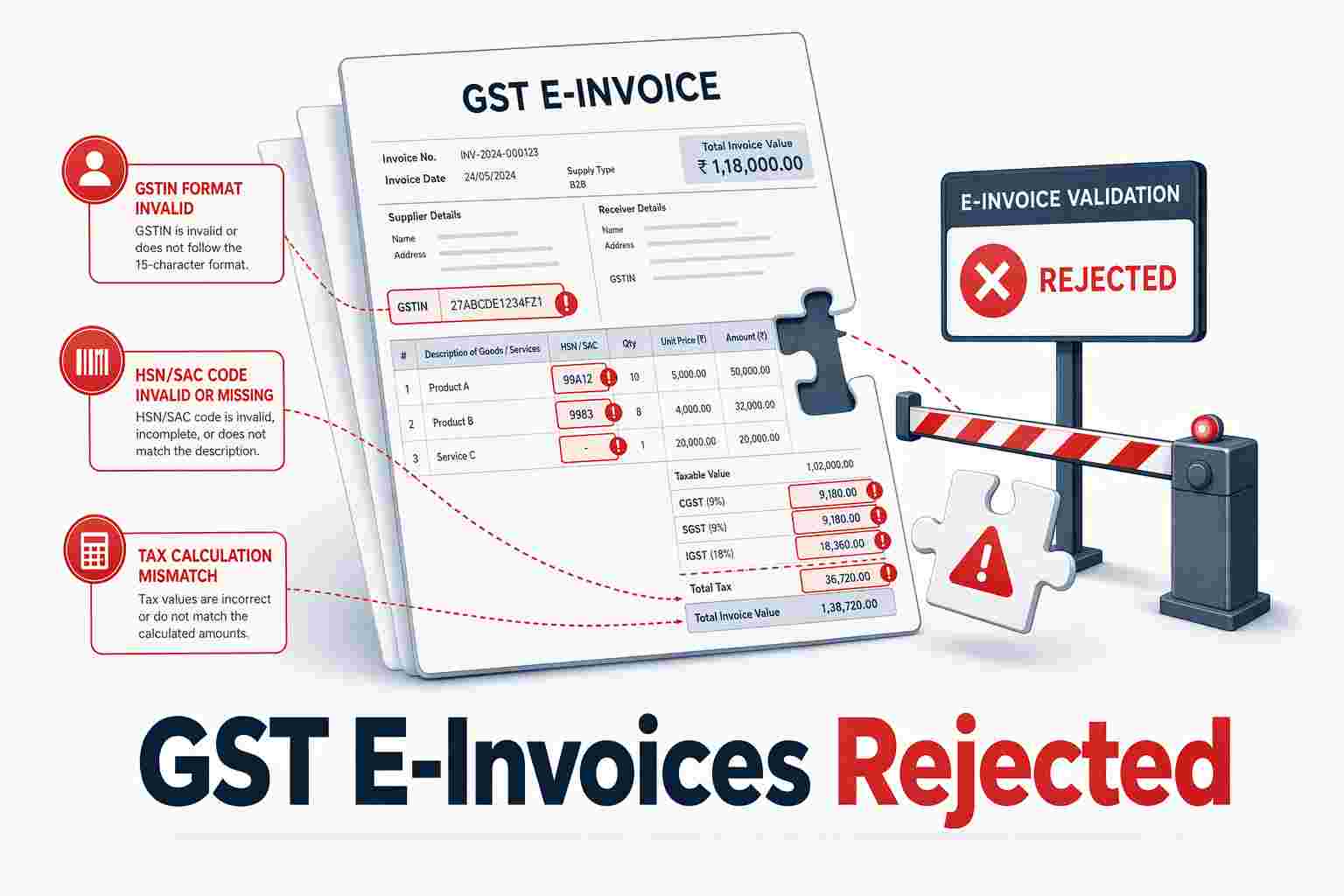
Swipe: Free Inventory Management for Indian SMEs Free Inventory Tracking and GST Compliance Swipe's Starter plan includes inventory tracking at zero cost, addressing a critical gap for Indian micro-businesses who face complex GST compliance requirements . The platform tracks sales, inventory, vendors, and customers in one unified interface, eliminating the manual spreadsheet workflows that contribute to the ₹50-per-day late-filing penalties many small businesses incur. Unlike BillBuddy's WhatsApp-only invoice generation, Swipe integrates inventory movement with GST-compliant invoicing, ensuring that stock deductions and tax calculations stay synchronized, key for businesses filing GSTR-3B monthly.
Mobile-First Design and Ease of Use Swipe's mobile app lets users add items, track stock, and manage operations in seconds, a design decision that mirrors the kirana-store workflows where owners transact on the shop floor, not at desks. The zero-setup promise means non-accountants can start invoicing the day they download the app. This contrasts with desktop-first platforms like Zoho Books, which offer deeper reporting but steeper learning curves for single-owner shops.
Strengths and Limitations Strengths: Zero cost for core inventory + GST workflows; mobile-optimized for on-the-go management; pre-configured for Indian tax rules (CGST/SGST auto-calculation). Limitations: Fewer third-party integrations than QuickBooks or Xero; single-location focus limits multi-branch retailers; reporting depth trails paid platforms for businesses scaling past 200 transactions/month.
Best For: Indian Micro-Businesses and Kirana Stores Best for Indian micro-businesses with Sign up for free.
Side-by-Side Comparison: Features, Pricing, and Inventory Capabilities Now that we've reviewed each platform individually, here's how they compare side-by-side on the inventory-specific criteria that matter most to SMEs, stock alerts, multi-location sync, mobile access, and GST compliance.
Primary Comparison Table PlatformStarting PriceInventory Tracking DepthMulti-Location SupportMobile App QualityGST ComplianceFree Plan/TrialUsers SupportedSwipeFree foreverTrack sales, inventory, vendors/customersYes (all plans)Android & iOS; invoice sharingGST-compliant bills, HSN/SAC codes, IGSTFree foreverUnlimitedZoho BooksFree up to ₹50K revenue/yearBasic stock tracking (paid plans)Yes (Standard+)Strong mobile appGST-ready invoicingFree (revenue-capped)1–15 (plan-dependent)TallyPrime₹18,000/year (single user)Advanced stock management, batch trackingYes (multi-godown)TallyPrime Mobile (limited)Full GST suite, e-way bills7-day trial1–unlimited (license-based)Vyapar₹4,999/year (Premium)Real-time stock alerts, low-stock warningsYes (Premium plan)Android & iOS; barcode scannerGST invoicing, e-invoicesFree (3 invoices/month)1 (Premium single-user)Marg ERP₹54,000 (one-time, GST module)Thorough inventory, purchase-to-sale reconciliationYes (built-in)Windows-focused; mobile add-on availableGST returns, e-way bills, TCSFree demo1–10+ (license tiers)
This table centers inventory workflows, stock alerts, multi-location sync, purchase-to-sale reconciliation, and GST compliance, as the primary lens. While competitors like SERP-listed tools mention inventory once in passing, this comparison makes it the core dimension. Swipe delivers unlimited users and full GST compliance at zero cost, positioning it for Indian SMEs that prioritize budget efficiency and regulatory readiness without sacrificing inventory visibility.
Calculated Dimension: Price-to-Feature Ratio To isolate value, we calculated a price-to-feature ratio by dividing annual cost by the sum of inventory-specific capabilities (stock alerts, multi-location, mobile access, GST compliance) each platform offers:
Swipe : High value, free forever with 4/4 inventory features (stock tracking, multi-location, mobile, GST). Cost per feature: ₹0.Zoho Books : Medium value, free tier revenue-capped; paid plans ₹2,400/year for inventory tracking. Cost per feature: ₹600.Vyapar : Medium value, ₹4,999/year Premium for real-time stock alerts and multi-location. Cost per feature: ₹1,250.TallyPrime : Low value, ₹18,000/year for advanced stock management and GST. Cost per feature: ₹4,500.Marg ERP : Low value, ₹54,000 one-time for thorough inventory and GST suite. Annualized (3-year): ₹4,500 per feature.Swipe's 'free GST-compliant' positioning occupies white space competitors ignore: all five platforms above offer inventory tracking, but only Swipe combines it with zero-cost unlimited users, mobile invoice sharing, and full HSN/SAC code support. For Indian SMEs scaling inventory workflows without upfront licensing costs, Swipe delivers the highest price-to-feature ratio in the category. Sign up for free to start tracking inventory, vendors, and GST-compliant bills today.
Feature tables clarify trade-offs, but selection ultimately hinges on matching platform strengths to your operational reality, SKU volume, user count, and geographic compliance needs.
Which Platform is Right for Your Business? Choose accounting software the way you'd choose inventory shelves, match the tool to your SKU count, growth trajectory, and compliance landscape. Three common scenarios clarify the decision:
Micro-Businesses with For Indian micro-businesses operating on a shoestring, Swipe delivers free inventory tracking and GST-compliant billing purpose-built for this use case. International micro-businesses can lean on Zoho Books' free tier (revenue Growing Distributors and Multi-Location Retailers
When you're managing three warehouses and 500+ SKUs, complexity demands depth. QuickBooks Online Plus (from $38/mo, inventory included) handles multi-location workflows, advanced inventory controls, and project tracking for distributors juggling wholesale and retail channels. Xero (from $9/mo, inventory on Standard+ plans) shines for teams prioritizing collaboration, its multi-user interface and accountant-friendly workflows outweigh QuickBooks' slightly deeper inventory feature set.
Service + Retail Hybrids and E-Commerce Sellers If you bill clients for consulting hours while selling retail products on the side, Zoho Books' mobile-first design and integrated inventory + time-tracking justify the paid tier investment. Cloud-native architecture matters when you're adjusting stock levels from a supplier meeting or issuing invoices between client calls. E-commerce sellers benefit from Zoho's direct integrations with Shopify and WooCommerce, which sync orders into inventory automatically.
Meta-recommendation : Start with free trials of your top two choices. Test inventory workflows, stock adjustments, purchase orders, mobile updates, with your actual SKU list and real transaction volumes. A tool that looks perfect in a demo may fall apart when you're keying in 80 line-items on a tablet at 7 PM.
Final Verdict QuickBooks delivers maximum inventory feature depth, multi-location sync, advanced reporting, COGS automation, but at 3 to 5× the cost of Zoho Books, justifying the premium only for established SMEs managing complex workflows. Swipe offers zero-cost GST-compliant inventory tracking but lacks third-party integrations and advanced reporting, making it ideal for Indian kirana stores yet less suitable for multi-location distributors.
As AI-powered inventory forecasting and automated reordering mature, expect free and mid-tier platforms to close the feature gap with premium tools, making real-time inventory accessible to even the smallest businesses by 2027.
Start your free trial with Swipe today , add your SKUs, test GST invoice generation, and track stock in real time with zero setup cost. Match the tool to your inventory shelves: free for micro-businesses, scalable for growth.
Frequently Asked Questions What is real-time inventory tracking in accounting software? Real-time inventory tracking updates stock levels the moment a sale, purchase, or adjustment is recorded, eliminating end-of-day batch reconciliation delays. This instant visibility prevents overselling and enables configurable low-stock alerts that balance cash flow with availability.
Which accounting software has the best free inventory tracking? Swipe offers unlimited free inventory tracking on its Starter plan with full GST compliance for Indian SMEs. Zoho Books provides a free tier capped at ₹50,000 annual revenue with limited inventory features. For zero-revenue-cap tracking with mobile access, Swipe leads.
Do I need multi-location inventory tracking? Multi-location tracking is key for distributors, retail chains, and manufacturers managing stock across warehouses, it shows exactly where inventory sits, not just total on-hand. Single-location shops and service businesses can skip this feature and save on tier costs. QuickBooks Plus and Xero Premium offer strong multi-location support.
Can accounting software handle GST compliance for Indian businesses? Swipe and Zoho Books India edition automate GST invoicing, CGST/SGST calculation, and GSTR filing workflows. Swipe's Starter plan includes these at zero cost, addressing compliance challenges that burden Indian MSMEs. Both platforms eliminate manual tax reconciliation and reduce filing errors.
How much does accounting software with inventory tracking cost? Pricing spans Swipe (free), Zoho Books (₹500, ₹1,500/month), Xero (₹1,500, ₹3,500/month), and QuickBooks Online (₹2,000, ₹5,000/month). Free tiers impose revenue or feature limits; mid-tier plans unlock multi-location sync and advanced reporting. Evaluate total cost against your SKU complexity.
What inventory features should small businesses prioritize? Prioritize configurable stock alert thresholds, purchase order reconciliation, mobile app access, and automated COGS reporting. Multi-location sync matters for distributed operations; GST compliance is non-negotiable for Indian businesses. Match feature depth to your SKU count and warehouse footprint.
Can I use these platforms for e-commerce inventory? Zoho Books and QuickBooks integrate natively with Shopify, WooCommerce, and Amazon, syncing sales to inventory in real time. Xero requires third-party apps for marketplace integration. Swipe focuses on offline GST workflows, making Zoho Books the best choice for e-commerce sellers needing mobile-first updates under ₹1,500/month.
Sources Best Free Billing and Inventory Management Software for Small ... - keel.so (2026)Xero - www.tailorbrands.com10 Free Accounting Tools for Your Small Business - www.uschamber.comBest Accounting Software for Small Business 2026 - www.apexbusinesstech.com (2026)BillBuddy - WhatsApp AI GST Invoice Generator for Kirana & SMEs - billbuddy.co.inIntroduction: A Complete Guide to GST Return Filing for Small Businesses - www.sscoindia.comChallenges Faced by MSMEs in Maintaining GST Compliance - ippcgroup.com.png)



.png)
.png)
.png)
.png)
