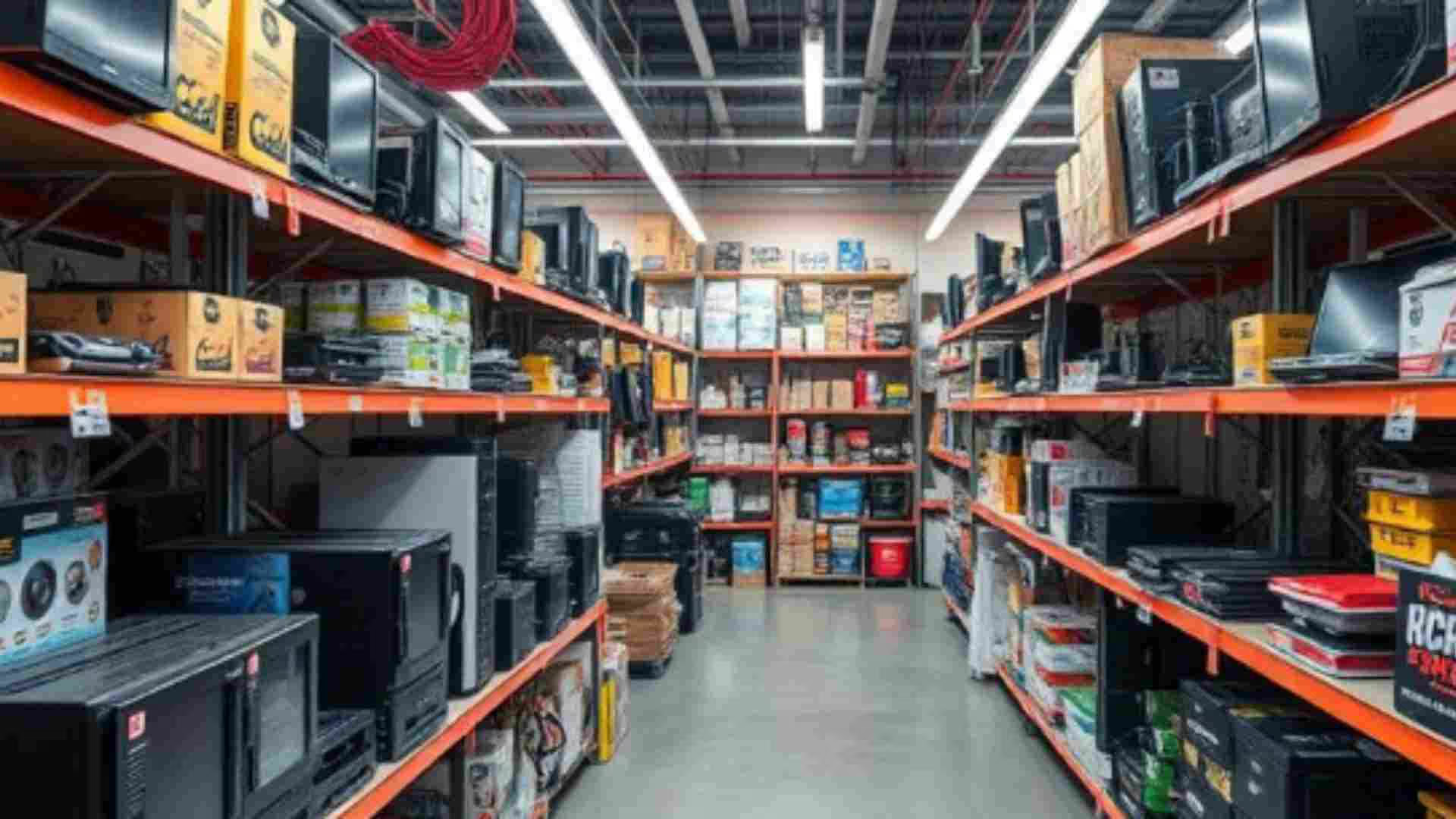
How to Become an Electronics Wholesale Dealer? Top Tips These items have a healthy surplus margin for those who act as a broker for products between the seller and the customer. A wholesaler sells goods at large amounts at low prices, especially for retailers. An electronic wholesaler is an enterprise that trades in electronic items—interested in learning how to start a wholesale business?
Electronics are one of the most demanded product lines in the present era. Whether it is smartphones, laptops, or smart devices, demand remains constant. In this extensive guide, we will break the step-by-step process to become an electronic wholesale dealer and share the most important expert tips to help you succeed.
What is an Electronics Wholesale Dealer? For businesses, dealers, or other organizations seeking to maximize their earnings, an electronic wholesale dealer is a commercial instrument that purchases bulk electronics at discounted costs from authorized retailers and distributors. Dealers who deal primarily in volume transactions and often cater to B2B customers differ from those who sell straight to consumers. They are very important to making sure electronic products reach economies effectively and fiscally. Advantages of Being an Electronics Wholesale Dealer 1. High Profit Margins Purchasing in bulk has high discounts, which means there is room for high profit margins when selling.
2. Strong Market Demand The continuous development of technology, which ensures a stable demand for electronics products such as smartphones, laptops, smart watches, equipment and gaming console.
3. Business Flexibility You can conduct business from a warehouse, office, or even online, depending on your budget and objectives.
4. Diverse Product Range You can sell a variety of products ranging from consumer electronics to industrial parts and so on, providing you with scope to serve diversified customer segments.
Step-by-Step Guide to Becoming an Electronics Wholesale Dealer Step 1: Research the market first Before going into the electronics wholesale sector, one needs to get their heads around:
1. Consumer demand: In your community, what electronic products are selling fastest?
2. For Target Customers: Will you concentrate on ecommerce sellers, retailers, or resellers?
3. Competitor Analysis: Leading distributors in your sector—how do they work?
4. Profit Margins: What sort of profit margins could you expect in your chosen product sectors?
Step 2: Choose Your Electronics Segmentation. The enormous size of the electronics sector means that concentrating on a particular niche may help you to become aggressive. Common niches comprise:
1. Smartphones and Accessories
2. Laptops and Computers
3. Home Appliances (Television, fridge, Washing Machines)
4. Gaming Consoles and peripherals
5. Components and industrial electronics
6. Wearable Technology (Smartwatches, Fitness Trackers)
Step 3: License Your Company and Register it To operate within the confines of the law, you will need to:
1. Start a company (LLC, Corporation, or Sole Proprietorship).
2. Acquire any required permissions.
a. Business License
b. Sales Tax Permit
c. Import-Export License (if dealing with international suppliers)
d. Reseller Certificate
Step 4: Establish contacts with dependable suppliers Searching out the perfect suppliers is vital. Think upon: 1. Authorized Distributors: They guarantee fair prices and real goods.
2. Producers: Direct agreements with producers yield the top margins.
3. Import Markets: Big electronic production centers include South Korea, Taiwan, and China.
You can source suppliers through: 1. Trade Shows (CES, Global Sources, Canton Fair)
2. B2B Platforms (Alibaba, IndiaMART, DHGate)
3. Industry Networks and Referrals
Key Supplier Evaluation Factors: 1. Product Quality
2. Pricing Structure
3. Delivery Timelines
4. Minimum Order Quantities (MOQs)
5. After-Sales Support
Step 5: Organize your warehouse and inventory system Wholesale success depends on effective inventory management. Think of:
1. Warehouse Space: Depending on the scope of your items, you will require plenty of room with appropriate storage capabilities.
2. Inventory Management Software: Software for inventory management: monitor supplier performance, order history, and stock amounts.
3. Logistics Relationships: Work with trustworthy transport firms to guarantee deliveries on schedule.
Step 6: Formulate Your Pricing Strategy Wholesale prices should be competitive but healthy enough to entice retailers and provide respectable margins. Factors to consider:
1. Cost Price: Product cost + shipping + customs duty (if imported).
2. Market Prices: Benchmark against competitors.
3. Volume Discounts: Offer lower prices for bulk orders.
4. Payment Terms: Offer flexible payment options to attract larger clients.
Step 7: Create an Online Existence An online presence is necessary for credibility and visibility in the digital era of today. Crucial actions consist of:
1. Design a Professional Website: Display your contact information, qualifications, pricing, product range.
2. List on B2B Platforms: Register on IndiaMART, Trade India, Alibaba, etc., as listed on B2B site.
3. Leverage social media: Utilize social media to reach out with merchants and resellers on LinkedIn, Facebook, Instagram.
Step 8: Build Your Customer Base Focus on building long-term relationships with:
1. Retailers (electronics stores, e-commerce sellers)
2. Corporate Clients (offices, educational institutions)
3. Government Contracts (schools, public offices)
Step 9: Give Outstanding Customer Service Excellent customer service differentiates you from others. Make sure:
1. Quick answers: Fast reply to questions and directions.
2. Flexible Payment Plans: Provide trusted clients credit terms.
3. Post-sales Help: Aid with warranty claims and problems with products.
4. Loyalty Programs: Could take several forms, including seasonal incentives, bulk buying discounts, or referral bonuses.
Step 10: Stay Updated with Business Trends The computer industry changes with great speed:
1. New Product Launches
2. Technological Advancements
3. Regulatory Changes (import-export laws, e-waste policies)
4. Shifts in Consumer Preferences
Top Tips to Succeed as an Electronics Wholesale Dealer 1. Focus on Quality and Authenticity Fake or substandard electronics can ruin your reputation. Always source from authorized and reputable suppliers.
2. Offer Competitive Pricing Since retailers have multiple options, your pricing should be attractive without compromising on quality.
3. Invest in Technology Use inventory management systems, CRM software, and automated order processing to enhance efficiency.
4. Diversify Your Product Range Packing complementary goods such as cables, accessories, and peripherals within an order increases order value.
5. Build Strong Supplier and Customer Relationships Loyalty and trust lead to better terms, bulk deals, and long-term contracts.
6. Adapt to Market Trends Stay agile and adapt to changes in demand, especially in emerging categories like smart home devices or wearables.
7. Leverage Digital Marketing Along with attracting new customers, use Google ads, SEO and email marketing to maintain good connections with existing customers.
Conclusion If you want to become a successful businessman and shine in the wholesale electronics business, you should know well about the market demand, maintain good relationships with suppliers and plan carefully. Whatever you do, mobile phones, consumer electronics, or commercial electronics, it all comes down to good products at reasonable prices, and providing good customer service.
Suggested Read: How to Start a Cosmetics Business
FAQs 1. What is the minimum investment required to start an electronic wholesale company? The amount of the necessary capital depends on the product segment, the purchasing strategy, and the storage setup. With a Capital of 1-3 lakhs, can start. 1-3 lakhs when buying wholesale stock directly from manufacturers.
2. Do I need a special license to become an electronics wholesale dealer? Yes, you must register your business and get the required license, including:
a. Trading License
b. Sales tax permit
c. Import Export License (If Import)
d. Reseller -Certificate (required in many areas for wholesale operations)
3. How do I find reliable electronics suppliers? You can source suppliers through:
a. Trade Shows (CES, Canton Fair, etc.)
b. B2B Platforms (Alibaba, DHGate, IndiaMART)
c. Direct Manufacturer Partnerships
d. Industry Networks & Referrals
4. What are my profit margins on electronics wholesale? Profit margins will depend on product volume and type but are usually 5% to 20%. You may have higher margins with high-demand or specialty items if you have single-source supply contracts.
5. Can I start an electronics wholesale business online without a physical warehouse? Yes, you can run an online-only wholesale business using drop shipping models or by partnering with third-party fulfilment centers. However, keeping your inventory gives you greater control over product quality and delivery timelines.
6. What are some of the biggest challenges faced by electronics wholesale dealers? Some common challenges include:
a. Price competition from larger wholesalers
b. Managing inventory and product obsolescence
c. Ensuring product authenticity and avoiding counterfeits
d. Navigating import regulations and customs processes