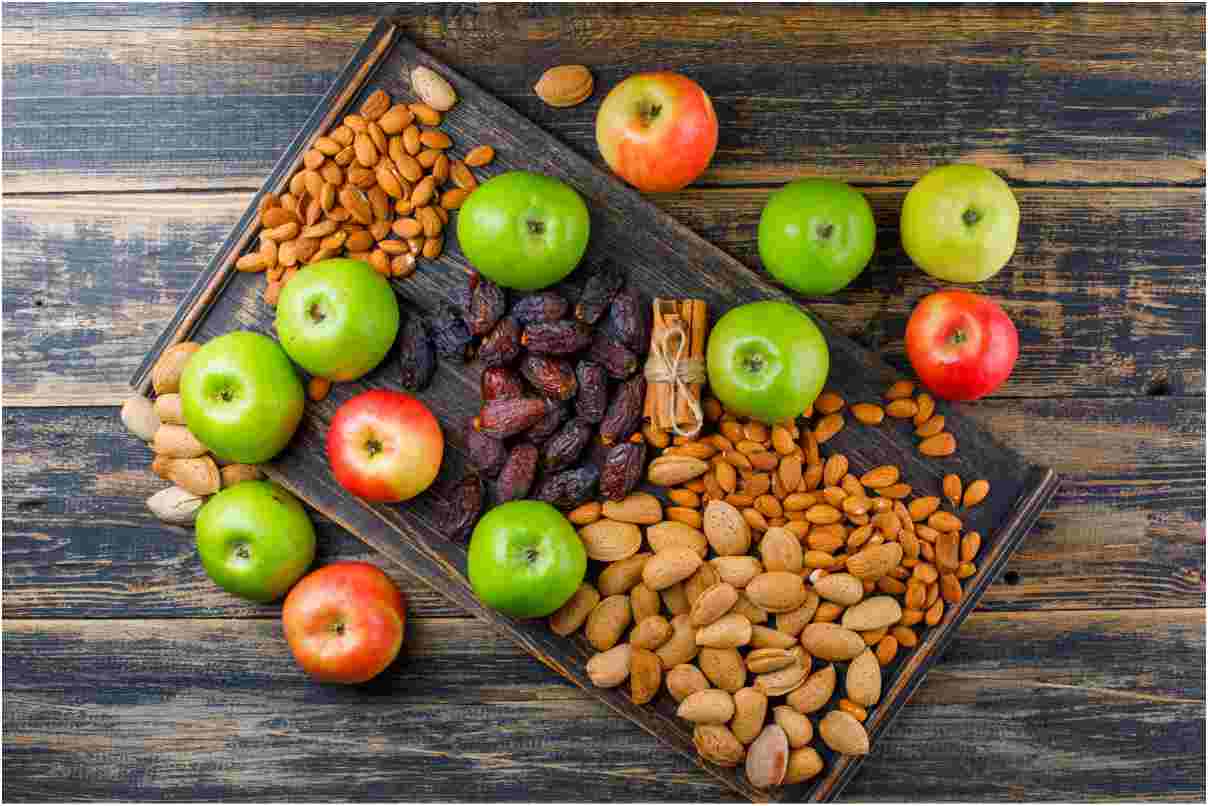
GST rates & HSN code for fruits, vegetables, and nuts (2006) Have you ever wondered why your local sabzi mandi or vegetable market does not charge you tax but a sealed pack of frozen peas at the supermarket does? You might be beneficial about knowing about the GST Rates & HSN Code for Fruits, Vegetables, and Nuts. It is a common point of comparison for shoppers and retailers alike. In the world of Indian taxation, the distance between fresh and processed determines the tax you pay. In 2026, following the GST 2.0 reforms, the government has maintained its Pro-Farmer initiative and stance, by keeping essential fresh produce at 0% tax. However, as soon as a fruit or vegetable is prepared, whether by freezing and drying or by adding preservatives, it moves into a taxable bracket. Understanding these HSN codes is vital for everyone from local wholesalers to high end food processors.
This guide explores the GST rates and HSN codes for fruits, vegetables, and nuts in 2026. We will look at the crucial distinction between fresh and preserved goods and how the latest “Unified 5%” merit rate applies to the processing industry.
The 0% tax exempt category for fresh produce To ensure food security and keep inflation in check, the 2026 GST structure keeps all fresh and chilled, and natural produce exempt from tax.
Vegetables in HSN Chapter 07: All fresh or chilled vegetables like potatoes, tomatoes, onions, garlic, and leafy greens carry a 0% GST rate. This all includes loosely sold up dried vegetables that have not undergone further processing.
Fruits & Nuts (HSN Chapter 08): Fresh fruits like mangoes, bananas, apples, and grapes are Exempt or 0%.
The Unbranded Rule: In recent times, even if these are sold in a simple plastic bag for hygiene, they remain exempt. Tax only applies when they are “pre-packaged and labeled” as a specific brand product.
Read: GST on Vegetables and Fruits.
The 5% merit rate for processed and preserved goods Once a vegetable or fruit is modified for a longer shelf life, it falls under the taxable category. In 2026, most of these items have been moved to the 5% Merit Slab to support the food processing industry.
Frozen vegetables : Peas, sweet corn and vegetable mixtures which are frozen either cooked or uncooked shall be charged VAT at 5% under HSN Code 0710.
Dried/preserved nuts: Peas, sweet corn and vegetable mixtures which are frozen either cooked or uncooked shall be charged VAT at 5% under HSN Code 0710.
Provisionally preserved: Peas, sweet corn and vegetable mixtures which are frozen either cooked or uncooked shall be charged VAT at 5% under HSN Code 0710.
Comparison between the GST rates In the table given below are various products with their HSN codes with their 2026 GST rates. furthermore, according to disytax , also mentions their status according to the new reform.
Products HSN Code 2026 GST Rate Status Fresh Vegetables 0701-0709 0% Essential Frozen Vegetables 710 5% Processed Fresh Fruits 0803-0810 0% Essential Dried fruits and nuts 0801-08002 5% Healthy Choice Jams, jellies 2009 5% Merit
Insights for businesses If you are a retailer or a boutique food brand, keep these three very important rules in mind for your 2026 compliance:
Brand Labeling Matters: Fresh fruits sold in bulk are 0%. However if you put those same fruits in a fancy box with your brand logo and a “Nutrition Label,” they may attract 5% GST as pre-packaged goods.
Dry Fruits Re-classification: in 2026, the distinction between “raw” and “roasted” nuts has been simplified. Most edible nuts intended for direct consumption now sit comfortably at the 5% rate, down from the old 12% slab.
HSN 0712: This is the Dried Vegetables category. You should be careful with dried powders like ginger or onion powder. These are often classified under HSN 0712 and carry a 5% GST, unlike their fresh counterparts.
For smooth accounting experiences, Swipe is helpful for audit-ready taxes. Try Swipe for FREE!
Conclusion GST levied on fruits, vegetables, and nuts for 2026 will be consumer-centric. Tax-free status of fresh foods ensures that nutritious food will remain cheap and easily available to all Indians. At the same time, low 5% GST on processed products serves as an incentive to farmers who are engaged in Value Addition. For instance, processing helps prevent food from perishing and going to waste.
In 2026, it becomes crucial to stay abreast of the latest codes to be able to apply GST accurately. As a consumer purchasing fresh apples or as an entrepreneur selling wholesale almonds, one must know these taxes in order to not pay even a single penny extra. Stay tax-compliant, enjoy eating fresh, and make sure to always be ready for audits.
FAQs Is there GST on tender coconut water? Fresh tender coconut water, sold in the natural shell is 0% Exempt. If it is packaged in a bottle or tetra pack and labeled, it attracts 12% GST, falling under the HSN 2201.
Do shelled peanuts attract GST? Raw, shelled peanuts or groundnuts are generally 0% Exempt. But once these are roasted or salted and packaged with a brand label, then they come under HSN 2008 and are levied with a 5% GST.
GST rate on raisins or kishmishes? In 2026, HSN0806 applies to raisins or any other dried grapes and are subjected to 5% GST, irrespective of whether they are packed or loose.
Are “Exotic” fruits like kiwi or dragon fruit taxed differently? No. GST is based on the category, fresh vs processed, not the origin. Whether it is an Indian banana or an imported Kiwi, if it is fresh, the rate is 0%.
Can a vegetable wholesaler claim ITC? If a wholesaler deals only in 0% exempt fresh vegetables, they cannot claim ITC on their inputs like packaging material or rent. However, if they also sell taxable processed goods like frozen corn, they can claim proportionate ITC.